|
Why tone, timing, and cultural fluency matter more than trends. ͏ ͏ ͏ ͏ ͏ ͏ ͏ ͏ ͏ ͏ ͏ ͏ ͏ ͏ ͏ ͏ ͏ ͏ ͏ ͏ ͏ ͏ ͏ ͏ ͏ ͏ ͏ ͏ ͏ ͏ ͏ ͏ ͏ ͏ ͏ ͏ ͏ ͏ ͏ ͏ ͏ ͏ ͏ ͏ ͏ ͏ ͏ ͏ ͏ ͏ ͏ ͏ ͏ ͏ ͏ ͏ ͏ ͏ ͏ ͏ ͏ ͏ ͏ ͏ ͏ ͏ ͏ ͏ ͏ ͏ ͏ ͏ ͏ ͏ ͏ ͏ ͏ ͏ ͏ ͏ ͏ ͏ ͏ ͏ ͏ ͏ ͏ ͏ ͏ ͏ ͏ ͏ ͏ ͏ ͏ ͏ ͏ ͏ ͏ ͏ ͏ ͏ ͏ ͏ ͏ ͏ ͏ ͏ ͏ ͏ ͏ ͏ ͏ ͏ ͏ ͏ ͏ ͏ ͏ ͏ ͏ ͏ ͏ ͏ ͏ ͏ ͏ ͏ ͏ ͏ ͏ ͏ ͏ ͏ ͏ ͏ ͏ ͏ ͏ ͏ ͏ ͏ ͏ ͏ ͏ ͏ ͏ ͏ ͏ ͏ ͏ ͏ ͏ ͏ ͏ ͏ ͏ ͏ ͏ ͏ ͏ ͏ ͏ ͏ ͏ ͏ ͏ ͏ ͏ ͏ ͏ ͏ ͏ ͏ ͏ ͏ ͏ ͏ ͏ ͏ ͏ ͏ ͏ ͏ ͏ ͏ ͏ ͏ ͏ ͏ ͏ ͏ ͏ ͏ ͏ ͏ ͏ ͏ ͏ ͏ ͏ ͏ ͏ ͏ ͏ ͏ ͏ ͏ ͏ ͏ ͏ ͏ ͏ ͏ ͏ ͏ ͏ ͏ ͏ ͏ ͏ ͏ ͏ ͏ ͏ ͏ ͏ ͏ ͏ ͏ ͏ ͏ ͏ ͏ ͏ ͏ ͏ ͏ ͏ ͏ ͏ ͏ ͏ ͏ ͏ ͏ ͏ ͏ ͏ ͏ ͏ ͏ ͏ ͏ ͏
|
Hello friend, Few things slug me in the guts like they used to. Maybe it’s because my guts just feel permanently slugged these days. But slug me this article did: Technoplasmosis: the hidden parasite controlling modern marketing The premise riffs on toxoplasmosis - a parasite that rewires the behaviour of its host to help it spread. The argument here is that something similar is happening with platforms, and the TL;DR is in this line: “We congratulate ourselves on being ‘data-driven’ and ‘efficient’, when in fact we’ve been induced into mistaking a platform’s KPIs for our own.” In other words, we risk optimising for what the tools are able to measure, rather than what might actually matter. Instead, the article talks of “holding on to human measures of success”, such as “Does this idea make people smile?” and “Does it lodge in memory?” Which is a wonderful reminder to me that our job is never to make numbers go up. That is a byproduct of doing the real job - helping and connecting with residents, customers, and citizens. And if we optimise for those things first, the numbers tend to follow. Cheers,
Seamus Boyer 👋
|
|
“Using social media data to learn about human behaviour is like learning about human behaviour by watching people in a casino. They are both highly engineered environments that tell you something about human behaviour, but it’s not typical human behaviour.” - Kate Murphy
|
|
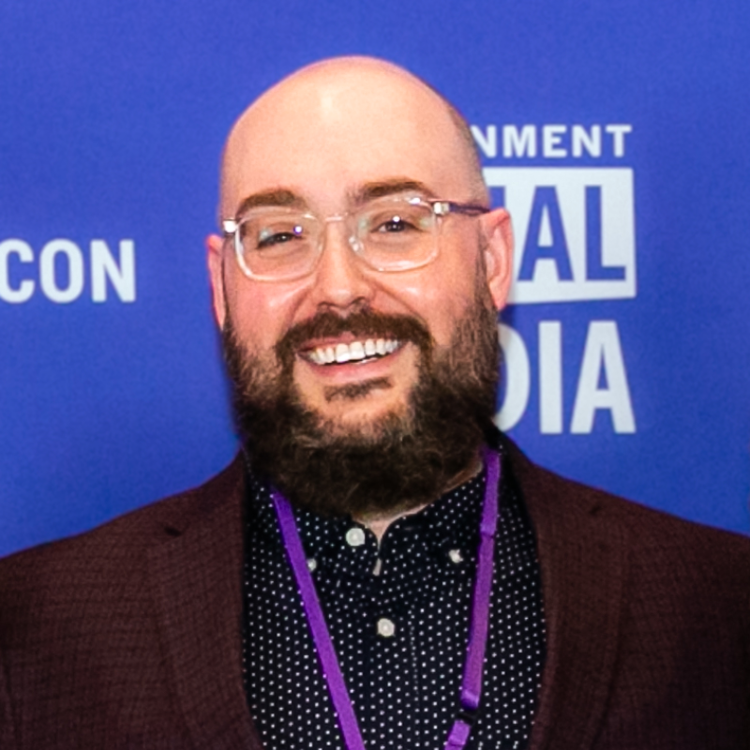
Today I’m chatting with Warren Kagarise, Digital Engagement Manager at King County, Washington, USA. He was also, just casually, the 2023 US Social Media Professional of the Year. Yip. I met Warren as part of Govt Comms Week in Canberra, 2024. I was moderating a session where he managed to make a massive impact - while also being the only person online and not in the room. Which takes some doing. In this interview, we go deep into the art and science of memes - a topic that is still, somehow, taboo in a lot of government and government-adjacent organisations, despite being one of the internet’s most powerful and native communication tools. The conversation is designed to unpack both the what and the why of meme use in public sector communications, while also getting ahead of some of the objections your organisation may already have. The aim is to help you think more clearly about where memes can add value, where the risks sit, and how to make a more confident case for using them well. I hope you find it helpful. 👇👇👇
|
|
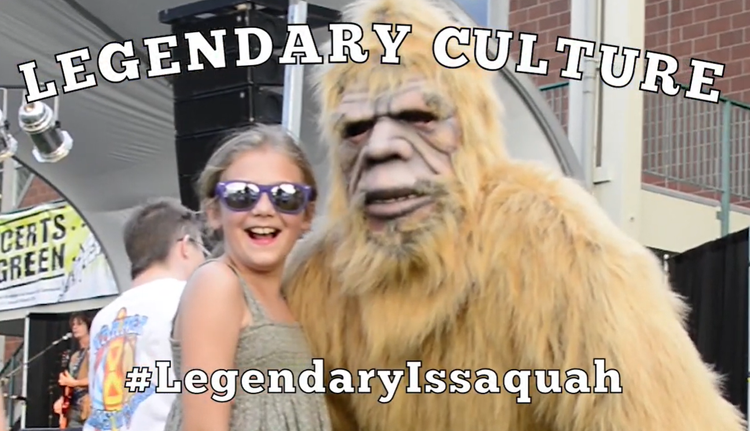
Firstly, Warren, where do you work, and what do you do? I work for King County, a regional government serving the Seattle metropolitan area in the State of Washington. A big part of my job is helping my colleagues communicate in ways that resonate with people’s daily lives. I often say government needs to be human, relevant, and useful. I began my public service career at the City of Issaquah, Washington, a small city about 15 miles (about 24 kilometers) east of Seattle. I arrived at Issaquah City Hall around the same time public agencies started to realise social media is essential, not nice to have. My time in Issaquah is where I learned the importance of relatable content, such as dressing up as Sasquatch to promote tourism or changing the city’s name to celebrate the Seattle Seahawks NFL team. Before I started my public service career, I worked as a journalist. In those days I spent a lot of time convincing my colleagues to go all-in on something called Twitter. The experience of arriving early to emerging platforms and thinking about how long-established institutions communicate in fast-changing spaces shaped how I approach government communications. What is your team set-up at King County? I’m the digital engagement and social media lead on King County’s Design & Civic Engagement team. I shape social media strategy; support colleagues who need to reach people through social media, email, and texts; develop policies for social media use; and help connect residents with services and information.
Our team also includes digital experience professionals, user experience designers, web specialists, and visual designers. Together we focus on improving how residents and community members interact with King County government, whether through social media, websites, or digital apps and tools.
In my role, I work with communicators throughout the organisation to evaluate emerging platforms and trends, create campaigns, and troubleshoot issues when the social media environment inevitably gets complicated. King County is a large organisation, so part of my job is helping my colleagues navigate internal processes as well as platforms, online culture, and audience expectations.
|
|
|
|
Warren Kagarise was 2023 US Social Media Professional of the Year. And rightly so. |
|
|
|
For those of us outside the US, can you briefly describe where your organisation sits in the spectrum of government organisations? Counties occupy a unique place in public life. Government in the United States is divided into several layers, from the federal government to state governments to county governments to city governments to special districts.
Counties typically function as regional service providers and deliver services across city boundaries, such as public health, elections, public transportation, and courts.
Interestingly, despite providing services essential to everyday life, people do not associate counties with a specific sense of place. Instead, counties get lumped in with administrative functions. Many residents interact with county services frequently without necessarily thinking about “the county” as a unique identity in the same way they think about the city or the state where they live. I want to change the narrative so people understand the important role counties play in our lives. When we talk about “memes” in government communications, what do we actually mean now? We all know the classic format - has that evolved? Memes continue to evolve alongside social media platforms and audience habits. Many of us remember early memes as still images (often scenes from movies or TV) with text overlaid in Impact font. The image macro format still exists, but now it represents only a small piece of the meme ecosystem. With the dominance of short-form video and the audience shift to TikTok and Instagram, a meme is no longer limited to a single format. Today, almost any piece of content can become memeable, including video, audio, and GIFs. Memes also extend into reaction posts, editing styles, and recurring series. In other words, anything audiences can recognise and remix. What makes something a meme now is less about format and more about shared cultural shorthand. Successful memes still instantly communicate a message or punchline, just like the image macros of old.
|
|
What are the real advantages for public agencies? Is this mainly about reach, or something deeper?
Memes turn messages into emotion. Research consistently shows how meme-based marketing inspires positive emotional responses and makes audiences more receptive to the underlying message. Memes also simplify complex ideas into familiar formats and plain language. Familiarity lowers the barrier to engagement, something we cannot take for granted as government communicators. Often, what we’re tasked to communicate about initiatives, policies, or services can feel distant or technical. Memes remind the audience a real person is behind the account. So, while memes help with reach and distribution, a deeper, enduring value is how cultural fluency humanises institutions and makes information feel approachable. They can also signal a broader shift in voice and institutional identity, right?
Absolutely. Participation proves to audiences why you belong, and genuine understanding boosts credibility. Effectively using memes signals to the audience your awareness of culture, platforms, and how people consume information. The decision to use memes does not represent a loss of professionalism. Choosing to embrace cultural fluency means recognising the ways institutional voices can evolve while still maintaining credibility. Is there tension there with an organisation’s established brand and brand voice? Yes, because memes can show the disconnect between how the organisation behaves online and what audiences expect. Ideally, memes should fit into the organisation’s established brand voice, otherwise trying to fit in comes across as forced or, worse, tone deaf. (Picture the Steve Buscemi “How do you do, fellow kids?” meme.)
The best memes, whether from government or other organisations, work when the content is consistent with the brand’s broader personality. Memes should feel like a natural extension of how the organisation already communicates, rather than a sudden attempt to chase a trend or jump on a viral moment.
Authenticity matters a lot online. Audiences can usually tell when something is manufactured.
|
|
Do meme-forward accounts attract different audiences compared to more traditional government accounts?
Participating in the social media environment, by using formats like memes, helps demonstrate why government belongs. It shows we’re not just broadcasting information; we’re listening to the conversation, interacting with others, and remixing content in the same way as our followers.
Ultimately, as government agencies, our audience is everyone and we have a responsibility to reach as many people as possible. Do you risk alienating older demographics, or has meme literacy now become mainstream across age groups?
As memes have transitioned into the mainstream over the past 20 years or so, the risk of alienating the audience is less about age and more about context and taste. Among the current adult generations, majorities of Gen Z, millennials, and Gen X enjoy marketing memes, and among baby boomers, nearly half say the same. As a communicator, your responsibility is to know your community and understand what is acceptable - and appealing - to your audience. Where is the line between cultural fluency and undermining your own authority? Like any type of communication, memes should reflect your organisation’s values and mission. Where the line sits can vary widely from agency to agency - a public health department might approach memes differently than a public transit system or a law enforcement agency.
I cannot overstate the importance of situational awareness. Even organisations with supportive leadership and a receptive audience can lose trust due to a meme used incorrectly, insensitively, or at the wrong time. Communicators need to understand both the cultural context of a meme and the institutional context of the organisation to avoid those missteps. Content should never sacrifice credibility. The goal is cultural fluency, not trying too hard to be part of the culture.
|
|
Are there topics where memes simply don’t belong? How do you make that call before publishing? With memes now common for US public agencies, from the highest levels on down, I see the boundaries continue to evolve. As audiences grow more comfortable with government agencies and officials using the format, the range of topics where memes can be effective has expanded. But, even with the acceptance of memes as a trusted format, using memes to communicate during crises or emergencies is risky. For non-urgent, everyday content, adopt a system for evaluating how your organisation should approach memes, trends, and other viral moments. I recommend for communicators to ask a few basic questions before publishing: What is the source material? Is it relevant to our audience? Is it appropriate for our brand? Is the content time-sensitive? Do accessibility barriers exist?
If the answer to any of those questions is unclear or out of sync with your organisation’s values, pause and rethink the content. In emergency or crisis communications, can memes help cut through - or do they risk trivialising serious issues?
In most cases, crisis communications require a more direct and serious tone. That said, visual formats inspired by meme culture, such as simple graphics or recognisable templates, help information travel further without undermining the credibility of the organisation or the importance of the message. The key is understanding the moment and the audience. Among my all-time favorite memes is from a fire department that encouraged emergency preparedness through a simple illustration of taco ingredients (see below). Sometimes cutting through noise requires creativity, but not at the expense of trust.
|
|
|
A post from the Normal, Illinois Fire Department in 2021. A bunch or orgs have picked up the idea and run with it since. |
|
|
Do agencies need to stay on the cutting edge of trends, or do familiar formats tend to work just as well?
Please, I implore you, do not chase every trend. In fact, trends move so quickly you may miss the moment unless you act within the first few days. Data shows most trends fade out after a couple of weeks, but audience attention spans start to drop off sooner. Familiar formats often work just as well because consistency and clarity outperform trend-chasing. The goal is not to prove yourself as the most online account on the platform. The goal is to communicate effectively. Memes often come from specific online communities. How do you avoid misusing or appropriating cultural references? Research shows relatable memes trigger a moment of identification in the viewer. Relatability is powerful, but appearing inauthentic is not a worthwhile tradeoff. If your organisation does not have a history of respecting or supporting a community, using a meme with origins in the same community is inauthentic at best and insulting at worst. Know Your Meme can help you decode the meaning behind a meme, including the source material, notable examples, and most importantly, subtext. Communicators need to understand where memes come from, not just the format or style. The root of cultural fluency is cultural awareness. Do you test meme content internally to check how different audiences might interpret it? Always test memes internally, especially with colleagues who do not live in our very online world, before sharing through public channels. If the meme is confusing, unclear, or misinterpreted by your colleagues, rethink your approach. Your colleagues’ reaction is a strong signal that a meme may not land the way you expect with the public. How do you introduce meme use inside a more conservative or risk-averse organisation? Start simple. The approach I recommend to peers introducing memes into government communications is to use universally recognised, well-liked characters or cultural references. My personal go-to example is SpongeBob because almost everyone understands the reference (SpongeBob is also among the internet’s most-memed figures). Starting with something familiar shows how meme-style communication can be approachable, harmless, and effective. Once leaders and colleagues see the positive response from audiences, then you can move on to experimentation.
|
|
If a meme backfires, what does effective recovery look like in a public agency? If a meme does not land the same principles apply as with any communications misstep: Acknowledge the miss quickly and transparently If appropriate, make light of your organisation and the mistake Show humanity and commit to doing better in the future
Audiences tend to respond positively when institutions and brands demonstrate honesty, transparency, and self-awareness. Keep your eyes open for other opportunities to use memes in the future. A single stumble does not mean swearing off all memes. Use the moment to listen to your audience and understand expectations, preferences, and tastes. Then try again. Finally, what are some of your favourite examples from govt organisations - and why did they work so well? A great example is NASA’s use of the How It Started vs. How It’s Going meme format to show the evolution of the International Space Station. The post lands because the format is familiar and the visuals instantly conveyed a clear message. Another example I love is the Port of Seattle’s take on the Ghost Photoshoot meme. The port dropped the post in time for Halloween, playfully highlighting airport travelers’ reactions to ghosts in sunglasses roaming through the terminals. Both examples feel authentic and aligned with each agency’s other content. The memes worked thanks to the connection between the organisation’s mission and the meme’s adaptability.
|
Quick 6 with Warren Kagarise… 1. Strategy or tactics?
Strategy.
2. Favourite platform? TikTok.
3. Least favourite platform?
X.
4. One public sector account to follow?
@flymco (Orlando, Florida, International Airport)
5. One non-public sector account to follow?
@chilisofficial (Chili’s Grill & Bar)
6. Something you wish you’d known earlier in your career?
Focus on people, not platforms.
|
|
That’s it for today. Hopefully it’s inspired to try some (more) memes in your socials. It’s increasingly difficult to think of an organisation where they wouldn’t or couldn’t work If you have any questions or feedback, please hit reply on this email and send it my way. I love hearing from you. Have a great day, and see you soon 👋
|

|
When it comes to executing a strategy, lead measures eat lag measures for breakfast. Here’s why. |
|
|
|
Like what you’re reading but aren’t yet subscribed? Don’t miss out on monthly content and social media tips delivered direct to your inbox.
|
|
|
|